I often say, and write, that this journey that we are on as family is an ever evolving, always learning journey. And over the course of the past two weeks, we have learnt more about scent training in assistance dogs.
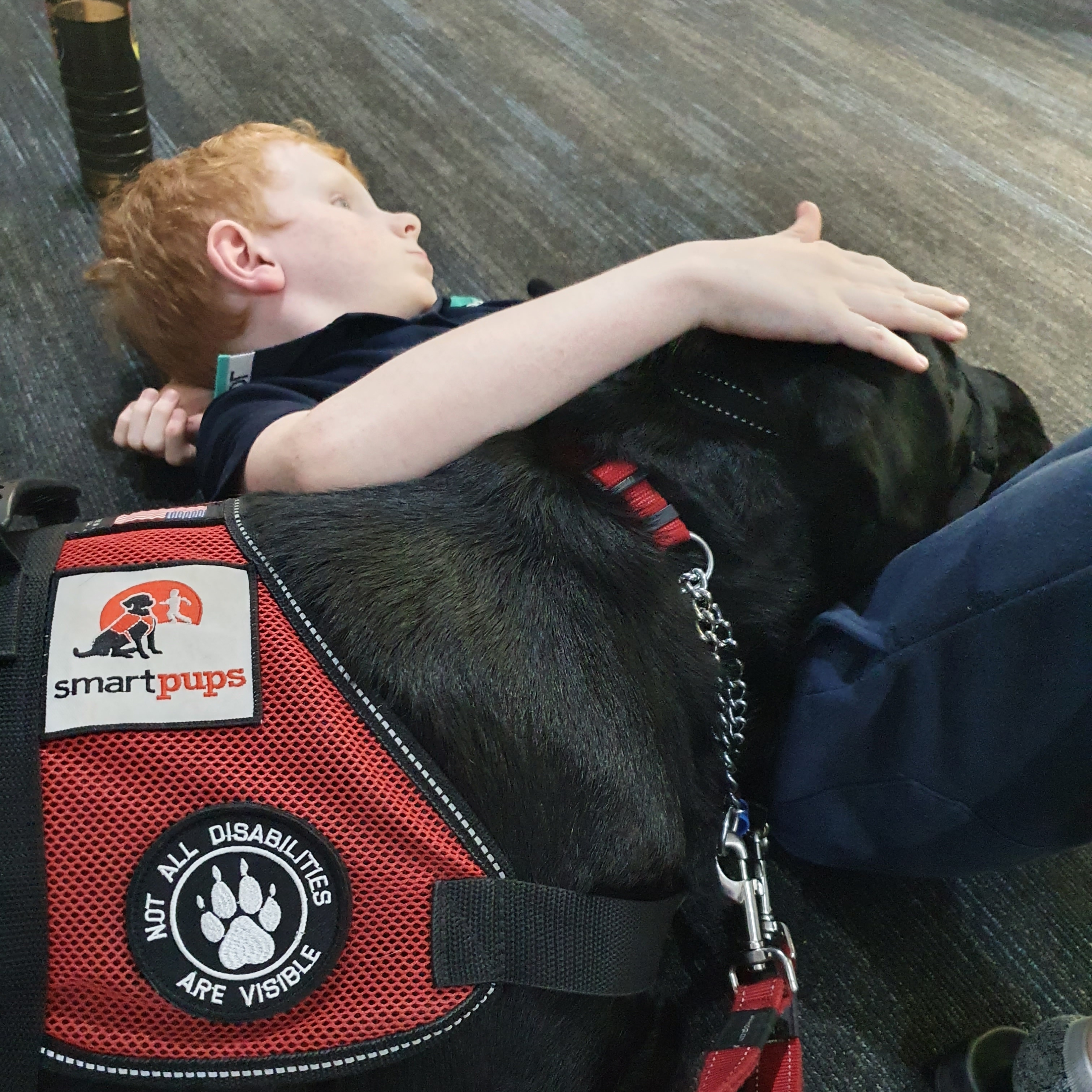
Soon after Henry was placed with our family in 2021, he began to pick up on behaviours that L was showing before we became aware of the behaviour - Henry would step in and begin to nuzzle L immediately before L would enter into meltdown mode. When we were asked how did Henry know that L was entering meltdown, we would comment that perhaps Henry picks up on chemicals that L releases once he enters meltdown. What we did not realise is that this is exactly what Henry is doing, and that there is a term for these chemicals.
That term is "volatile organic compounds (VOC)" or "biomarkers."
Before I go into how Henry, and every other dog, picks up on these biomarkers, you need a basic understanding of what a VOC or biomarker is.
Through our bodies usual daily metabolic activity, we release VOC or biomarkers which then enter the bloodstream. From the bloodstream, these VOC or biomarkers are released from our bodies via our breath, through our skin or in our urine and faeces. Depending on our emotional state, or our health, these VOC are altered due to the metabolic changes that occur as a result of our altered state of mind, body, or health. When an individual is feeling extremely anxious, their VOC output is going to be extremely high as opposed to when they are feeling calm.
So how can dogs detect these VOC amongst all the other smells that are around them?
It is all due to scent receptors. Us humans have a measly 400 different types of specialized sensor proteins, known as olfactory receptors in our noses, which amounts to roughly 6 million sites in our nasal cavity. Pretty impressive?
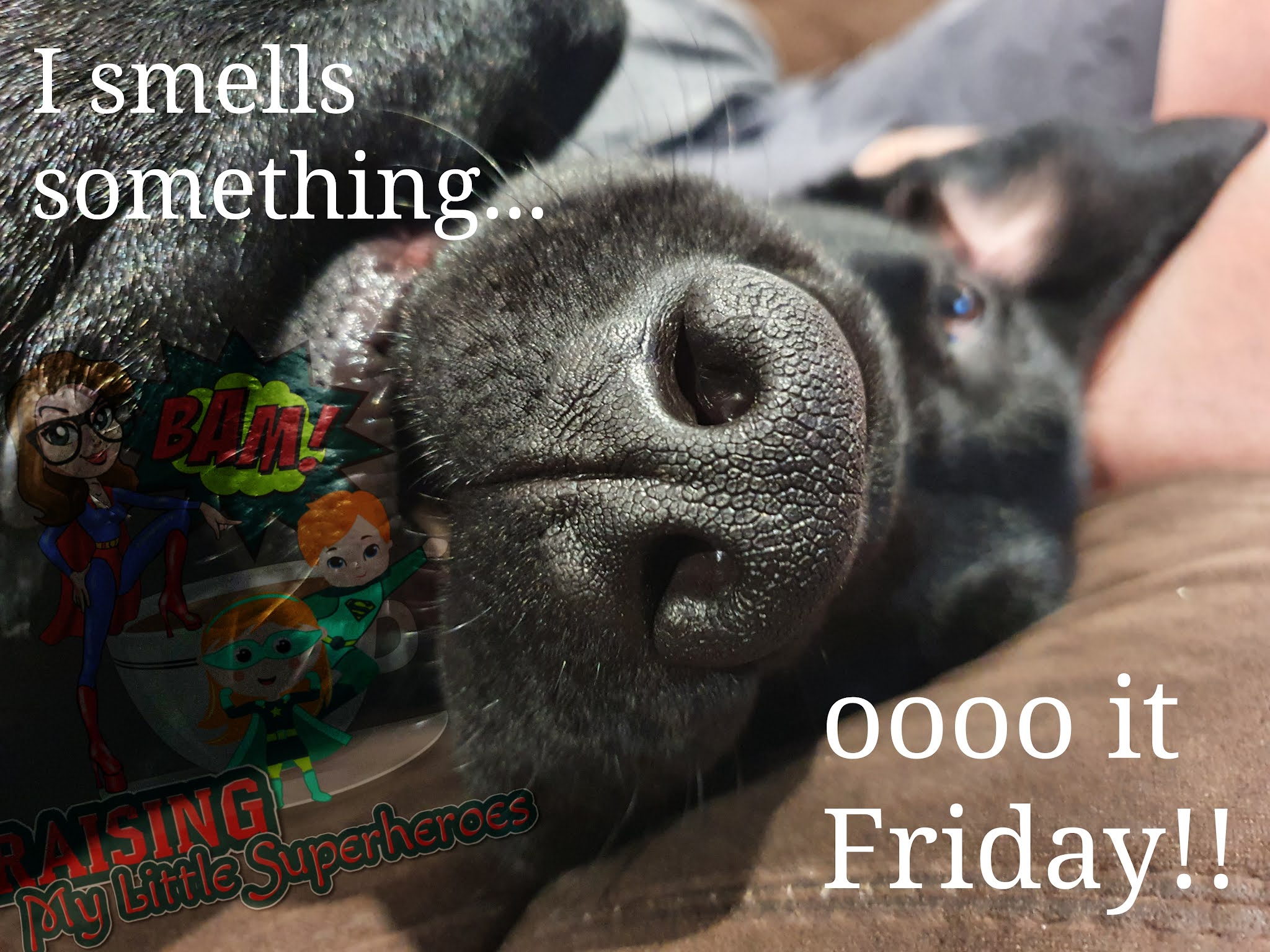
Well hold onto your seats, as dogs can have over 300 million of these scent receptors in their boopers, aka noses!
In the way that vision is our main sense of gaining an understanding of our surrounds, dogs use their noses. From their amazing sense of smell, dogs can obtain more detailed information than we can ever imagine. It's no wonder then that dogs find the pee-mail smell of other dogs so fascinating to sniff - they're getting all the neighbourhood gossip in one huge whiff!!
Dogs can detect some VOC or biomarkers in parts per trillion - now that is impressive.
So in Henry stepping in and assisting L before we, and L, are aware that he needs assistance, Henry is sniffing out subtle odours that we don't detect at all. The extra scent receptors in Henry's, and other dogs, nose means that they are able to detect a complexity in our VOC or biomarkers.
So how did we begin to learn more about VOC? We are currently training a puppy to be O's Autism Assistance Dog. In the last few months, Alaska, will greet us by sniffing every part of our bodies, but in particular all around our heads. The other thing that Alaska does is that she will come and sit next to or in front of us and touch us with a paw over and over - each time moving away or around before patting us again. We were talking about this particular behaviour in Alaska as she was also doing it to both of our trainers when we had our first face to face session with them.
Unbeknownst to us, Alaska is alerting us but patting our bodies over and over, that something is amiss in O's VOC output. Due to Alaska's young age, she is only 6 months old, and her training still ongoing, Alaska is not yet sure how to assist O, she just knows that something is amiss.
Henry on the other hand, while he hasn't been trained in detecting these odours, he has associated the odours with L's behaviour and hence will step straight into the skills that he has been trained to do.
The behaviour of Alaska in sniffing our faces, is a behaviour that we would usually attempt to stop a pet dog from doing. For an assistance dog however, you want this behaviour to continue.
Using an individuals VOC or biomarkers, is how seizure alert, diabetes dogs and so on are trained. Every individual releases a slightly different VOC or biomarker version than the next. The biomarker may be the same in terms of the chemicals that it contains, but the levels would differ.
So now when Alaska bops us, or O, with a paw, we pause and take a minute to assess how O is feeling. If anxiety levels are high, we then get Alaska to give cuddles or some deep pressure stimulation to calm the anxiety. And the same of Henry, if he bops us for no apparent reason, we do the same, pause and assess how we are feeling internally.
So the next time your dog keeps bopping your arm or leg for no apparent reason, pause and take a check of how you are feeling internally. Perhaps they are trying to tell you something!
On a side note ....
Dogs have a specialized scent organ, called the vomeronasal organ or the Jacobson's organ, that is located between the roof of the mouth and bottom of the nasal passage. This organ is also found in other animals such a snakes, cats and horses, and it has specialised receptors that focus on detecting pheromones.
Dogs have a much larger olfactory cortex than us humans, and the smelling section of a dogs brain is 40 times larger than ours! One-eighth of a dogs brain is dedicated solely to detecting and interpreting odours - that's larger than the section of our brain that is dedicated to interpreting sight!
When detecting these VOC or biomarkers that we excrete, dogs are able to ignore the huge number of background odours that they are detecting at the same time, to focus in on what they are trained to detect!